What you need to know after a lip treatment
 Author: Tsvety Bita, permanent makeup specialist
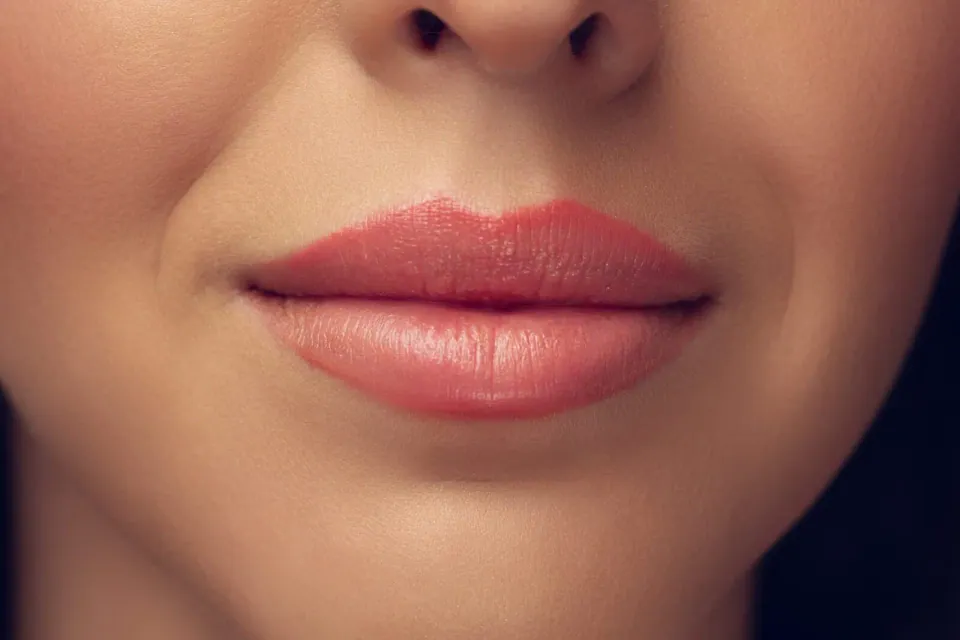
Lip healing – day by day
NOTE: If you have ever had herpes or cold sores, you will need to take antiviral medication before and after the treatment. Ask me for further guidance.
Read my guide to the healing process of semi-permanent lip makeup to learn what to expect day by day and how to protect your lips from infection and uneven healing.
Applying lip PMU involves breaking the surface of the skin, so it comes with a short healing process for the lips, although in itself it will not disrupt your daily life.
After the treatment you will experience some short-term side effects such as swelling and tenderness, and your lips will begin a flaking cycle that lasts about 10 days. The lip healing process is relatively short, but be prepared for some discomfort.
Here is a detailed overview of what to expect during the lip healing process.
- How long does lip healing take?
For most people, lip healing takes about 7–10 days – that is how long the surface of the skin needs to heal – but it takes about a month for the tissue underneath to heal completely and for the pigments to settle. Once the flaking is over, you can consider your lips healed, but if you want a touch-up you should wait about 6 weeks, because further trauma to tissue that is not 100% healed can lead to permanent scarring.
After the treatment, your lips will go through several stages of healing.
DAY 1 – Swelling, tenderness and high colour intensity
- Swelling
The lip healing process starts halfway through the treatment. Your lips will probably begin to swell towards the end of the treatment. This is a natural reaction. Everyone experiences a different degree of swelling, so be prepared for anything from slight swelling to your lips doubling in size.
Don't panic – this is normal and will subside. The swelling can make your lips look asymmetrical – this will also subside.
- Tenderness
Once the anaesthetic used during the treatment wears off, you will probably feel some tenderness or even slight pain.
- Colour
The colour of your lips is very intense. You may love it or think it is too strong – either way, it is not the true shade your lips will have. The colour will fade considerably over the next few days, and after 6 weeks your lips will look 40–50% lighter.
DAY 2 – Less swelling, more tenderness and a lot of dryness
- Swelling
Your lips should be closer to their normal size, but still slightly swollen.
- Tenderness
Your lips are still tender to the touch. You may feel a slight burning sensation, similar to sunburn.
- Dryness
Dryness sets in. Your lips will feel tight and may start to crack as a film of scabs forms. Apply the prescribed moisturising ointment often to minimise discomfort and prevent heavy scabbing. Keeping your lips hydrated creates a thin, film-like layer of scabs that will peel evenly, instead of thick, patchy scabs that pull out too much pigment. Do not touch your lips! If you pick at the scabs, your lips will heal patchily. Moving your lips may feel uncomfortable. Try to control your movements, eat small bites and drink through a straw so the scab does not crack while it forms.
At this point they do not look very attractive, but be patient. It will be worth it!
DAYS 3 AND 4 – Heavy flaking and dryness
- Peeling
The first round of peeling begins. It will come off in patches and strips from the centre of the lips outwards – the contour peels last. This is the most annoying and least attractive phase of lip healing, but be patient and in control – do not touch the scabs.
- Dryness
Your lips will still feel very dry and tight – apply the prescribed moisturiser to soothe them.
- Itching
As with any wound, it will start to itch as it heals. Do not rub or scratch your lips – you will tear the scabs and cause healing with uneven colour.
DAYS 5–10 – A little more flaking and ghost colours
- Flaking
The first round of flaking is over, but there may be some additional light flaking. Wait and do not touch the cracked skin. Once the flaking has completely finished, you can consider your lip healing complete. For most people it stops around day 10. Once it stops, you can start wearing makeup and drop the aftercare routine.
If your lips are still flaking at this point, be patient and keep up the aftercare for a few more days.
- Colour
The colour has faded considerably – so much that you may think the treatment has not worked. Do not start messaging in a panic asking for the colour to be boosted – this is a normal part of the lip colour recovery process. The colour will come back and reach its final shade within 6 weeks. That is how pigment settles, and there is no way to speed it up.
NOTE: If you have ever had herpes or cold sores, you will need to take antiviral medication before and after the treatment. Ask me for further guidance.
Is the healing process the same for all lip styles?
How much your lips flake depends on how much work was done. The stages of lip healing are universal, but everyone experiences symptoms of different severity. This can depend on the lip technique you had.
Healing for the MIX technique is more intense if you had a more saturated look or full lip colour. This is done by working the whole surface of the lips, including the contour, so the entire area will peel.
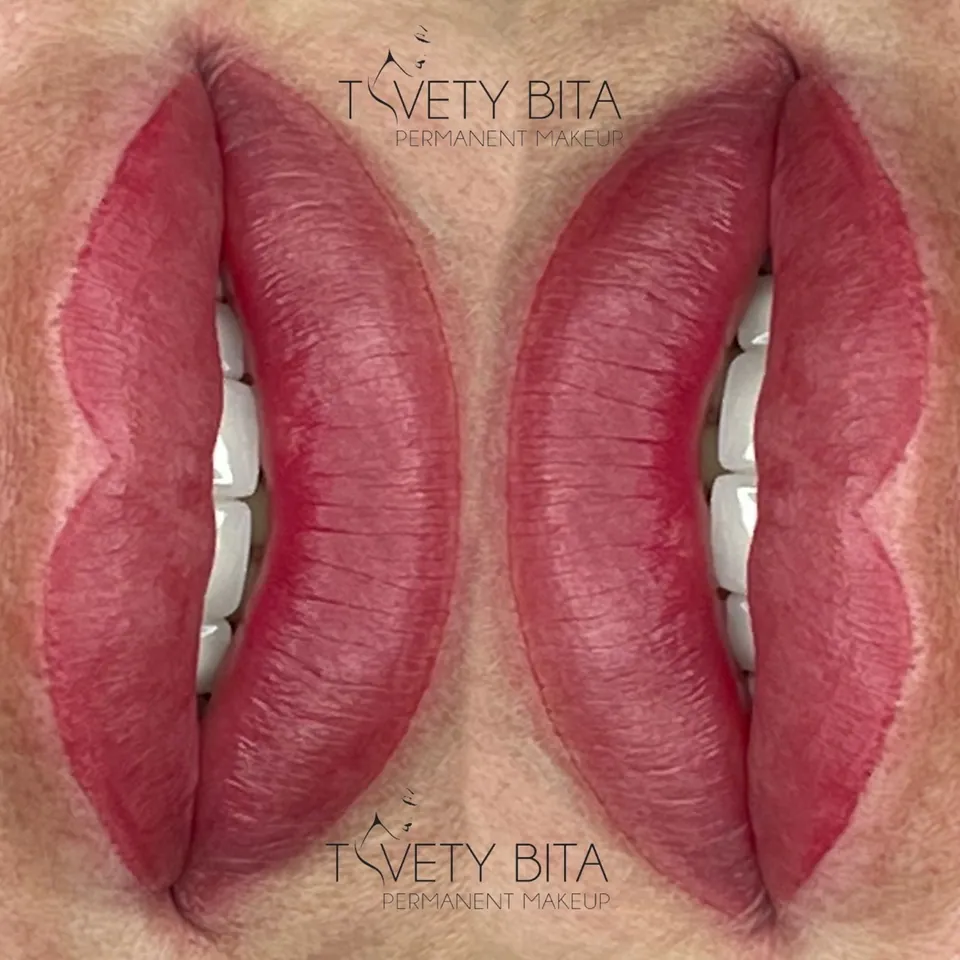
Healing for the 3D technique will probably involve slightly less flaking, as this style does not involve such a dramatic contour and the outer edge is not worked as much as with other styles that include a permanent lip liner. So the centre of the lips will flake more than the outer parts.
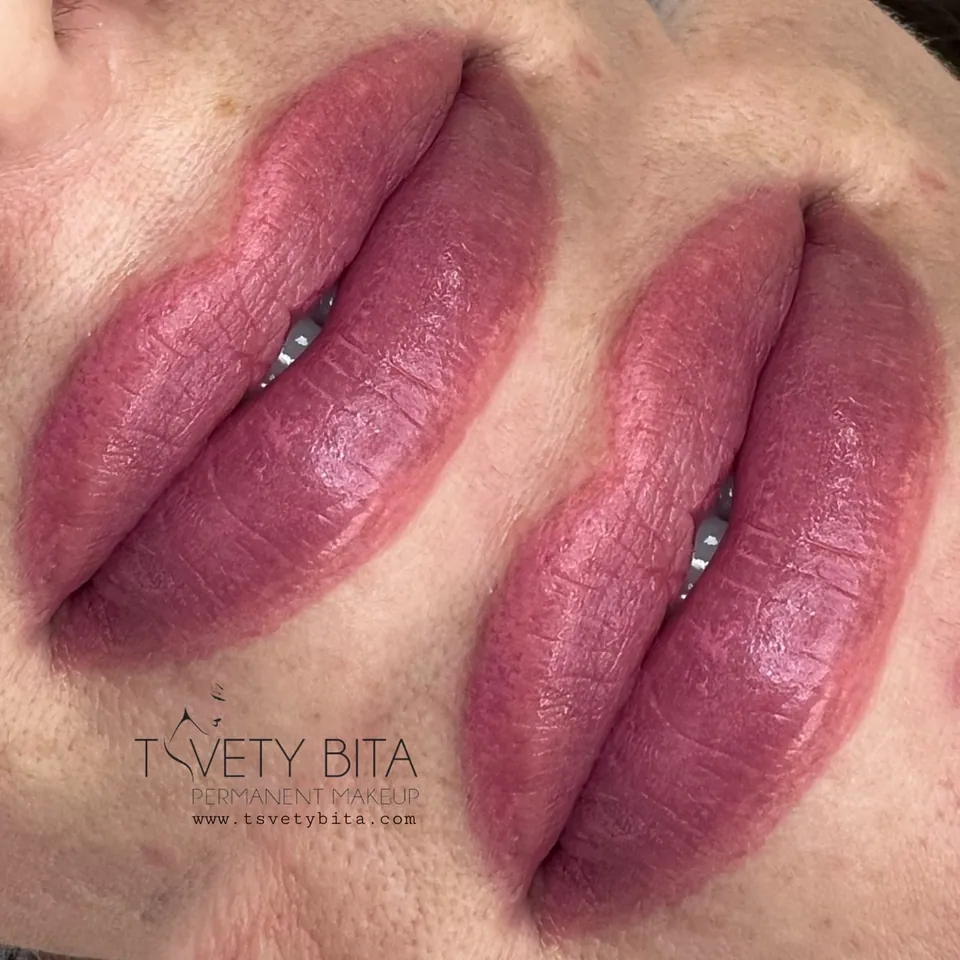
The blended contour technique treats only the edges of the lips, so that is where the scabs form.
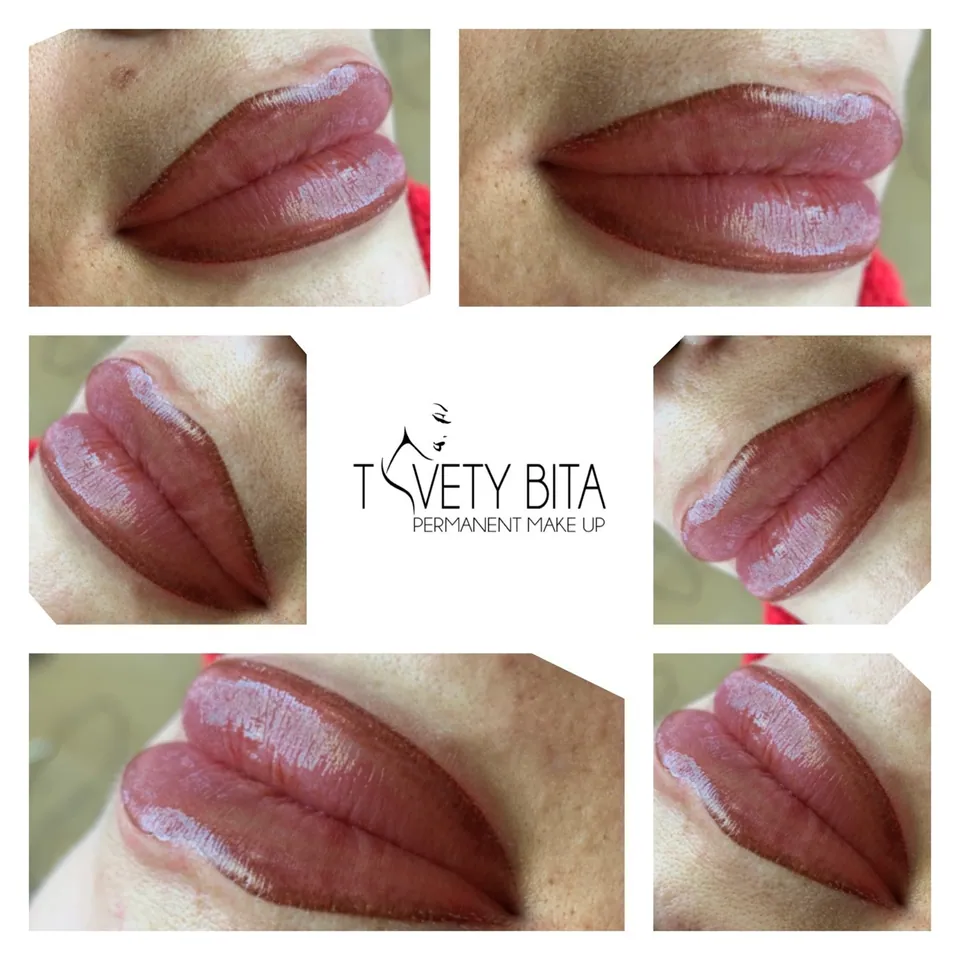
What to avoid while healing after the MIX, 3D and blended contour techniques
- Do not get your lips wet.
- Clean them by wiping with a damp cotton pad.
- Drink through a straw. If they do get wet, pat them dry as soon as possible.
- Do not touch,
- do not rub,
- do not pick at your lips.
Let them flake at their own pace. If you tear the cracked skin, you may pull out the pigments and your lips may heal unevenly.
- Do not let your lips touch any surface that is not clean, including your fingers. You risk contaminating the sensitive area with bacteria and developing an infection.
- Do not expose your lips to sunlight. It speeds up pigment fading and can change the colour.
- Do not go swimming.
- Do not take long, hot showers or go to a sauna or steam room. Try to keep your lips dry (apart from the prescribed moisturiser). Otherwise you risk developing an infection.
- Do not put toothpaste on your lips.
- Do not put any products other than the prescribed moisturiser on your lips.
- Do not wear makeup for at least 10 days.
- Do not sleep on your face.
- Do not eat spicy or salty food. It will sting.
- Do not drink alcohol. It will sting and dry your lips out even more.
- Do not eat or drink anything very hot – it will make the swelling worse.
- Do not have any cosmetic treatments. If harsh ingredients get onto the area, they will irritate the skin and may disrupt how the pigments settle.
- Do not have your teeth whitened.
- Avoid kissing and oral sex. You risk developing an infection and tearing the cracked skin.
Have questions or would like a consultation?
Book now