How to recognise a good permanent makeup specialist
 Author: Tsvety Bita, permanent makeup specialist
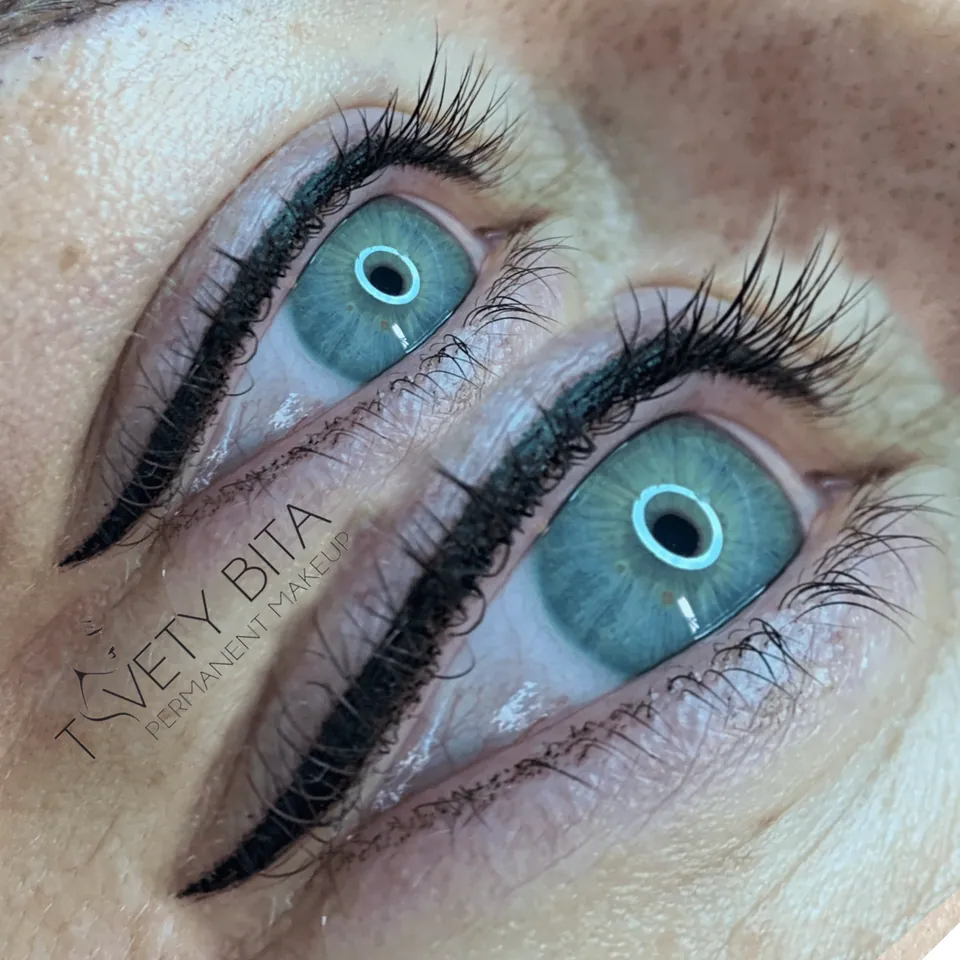
A beautiful social media profile is not enough. Permanent makeup stays in the skin for a long time, and choosing a specialist should be based on hygiene, healed results, transparent communication and the ability to turn down an unsuitable treatment.
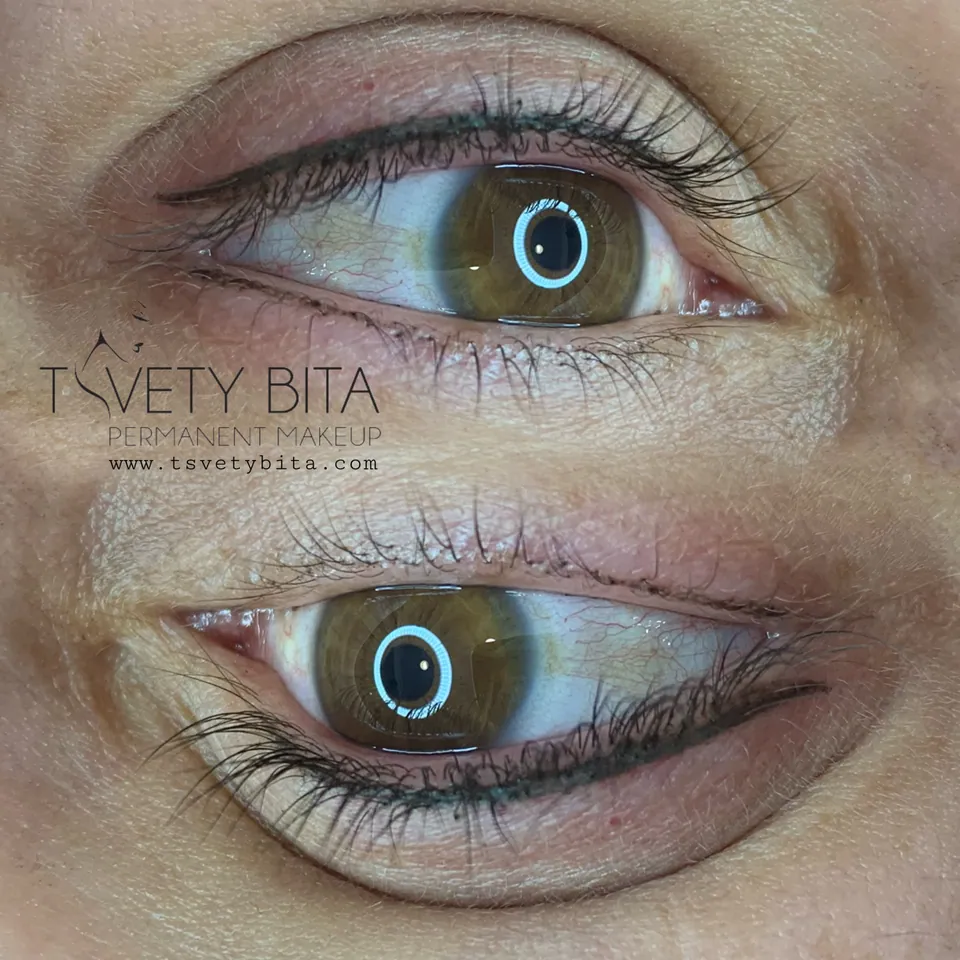
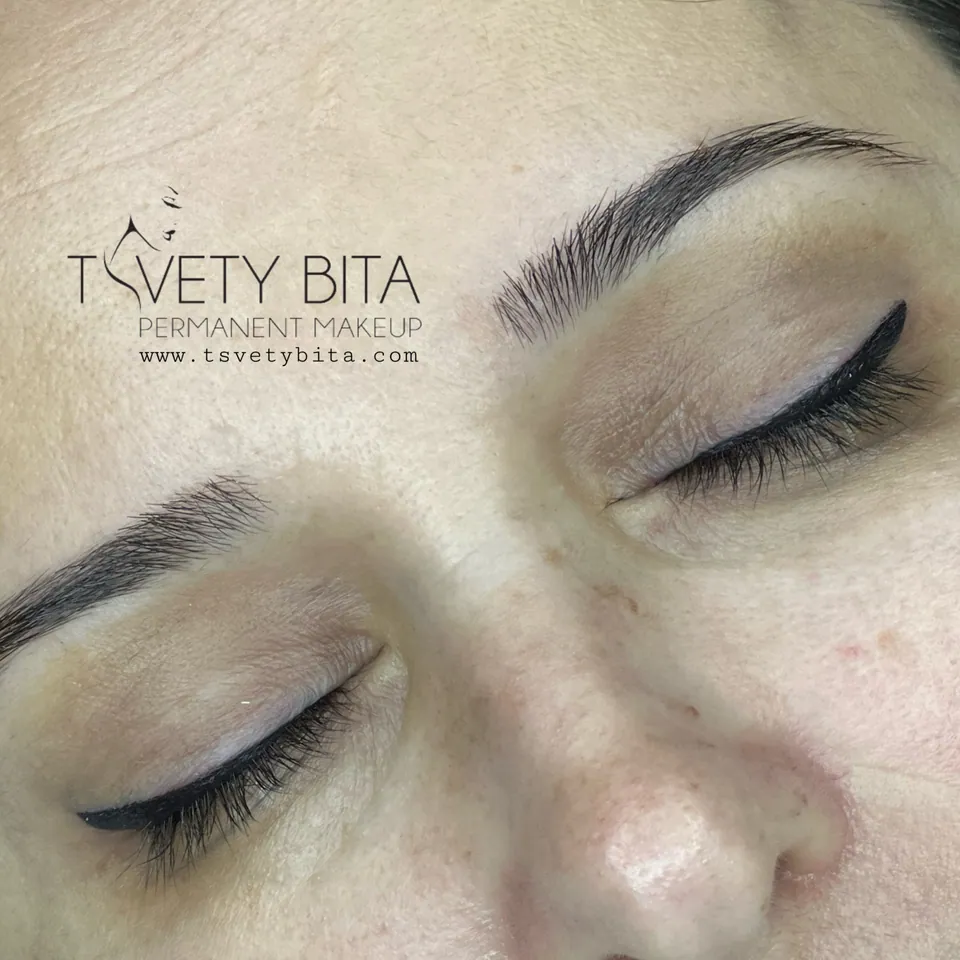
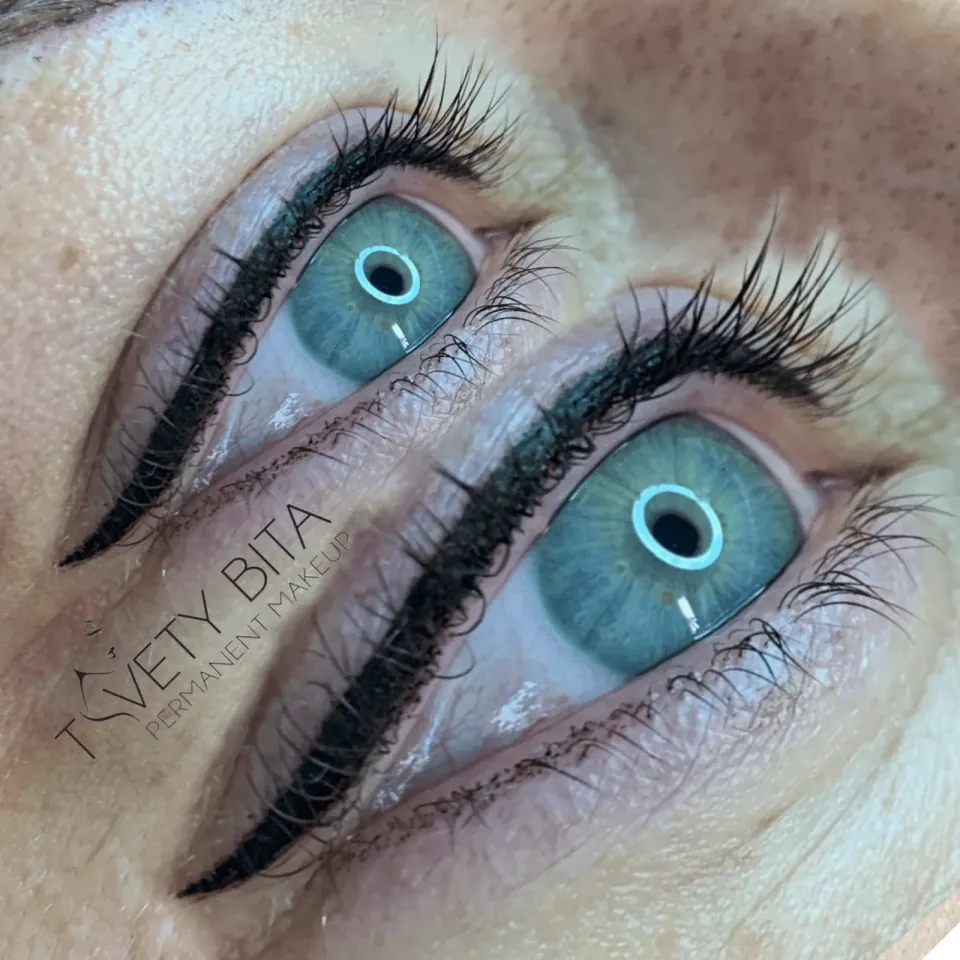
Look for healed results, not just day-one photos
Photos taken right after the treatment show the design and precision, but the colour is darker and the skin has not yet recovered. Healed photos taken weeks and months later show how the pigment really behaves.
The portfolio should include different skin types and close-ups without heavy filters. The same template on every face is a warning sign.
- Photos without smoothing filters.
- Results after healing.
- A variety of shapes and techniques.
- Honest presentation of corrections and limitations.
Hygiene and an organised workspace
The work area should be clean, organised and prepared for each client. Single-use consumables are opened in front of the client, and surfaces and equipment are protected and disinfected according to an established protocol.
Gloves are changed after touching unprotected objects. A phone, drawers and handles should not be touched with contaminated gloves before carrying on with the work.
- Single-use sterile needles or cartridges.
- A barrier over the equipment.
- A sharps container.
- Clear home-care instructions.
A good consultation is not a formality
The specialist should ask about your health, medication, allergies, previous permanent makeup and expectations. They explain the healing process and possible limitations, instead of promising an identical result to someone else's photo.
The preliminary design is approved before the treatment. You have the right to ask for changes, time to think, or to decline if you do not feel confident.
- A detailed questionnaire and informed consent.
- An explanation of the technique and the alternatives.
- A realistic conversation about longevity.
- A clear touch-up and maintenance policy.
Certificates, experience and professional conduct
A certificate shows completed training, but it does not replace experience and quality of work. Check how long the specialist has been practising, whether they keep training, and whether they can explain why they recommend a particular technique.
A professional does not belittle other specialists, does not use fear as a sales technique and does not hide risks. They may refuse a treatment if there is a contraindication or unsuitable old pigment.
- A consistent portfolio over time.
- Training related to the specific services.
- Professional insurance or documentation according to local requirements.
- Willingness to say no when there is a risk.
Warning signs
An extremely low price, no consultation, a promise of a completely painless or permanent result and pressure to decide immediately are all reasons for caution.
Other warning signs are working over an active infection, advising you to stop a medicine without a doctor, and refusing to show healed results or the single-use materials used.
- Guarantees of a specific result on any skin.
- Hidden touch-up conditions.
- Heavily edited photos.
- No written instructions and no contact in case of a problem.
Frequently asked questions
Is the most expensive specialist always the best?
No. Price is only one factor. Assess the portfolio, hygiene, communication and healed results.
How many certificates should they have?
The number alone does not prove quality. Relevant training, practice and consistent results matter more.
Is it normal for a specialist to refuse a treatment?
Yes. Refusing because of a contraindication, unsuitable skin or old pigment that is too dark is a sign of professional responsibility.
The most accurate recommendation is made after an individual consultation and an assessment of your skin, natural hairs, shape and desired result.
See the right treatment or book a consultation.
This article was prepared by Tsvety Bita and is for information only.
Have questions or would like a consultation?
Book now