Aftercare for permanent makeup – what to do and what to avoid
 Author: Tsvety Bita, permanent makeup specialist
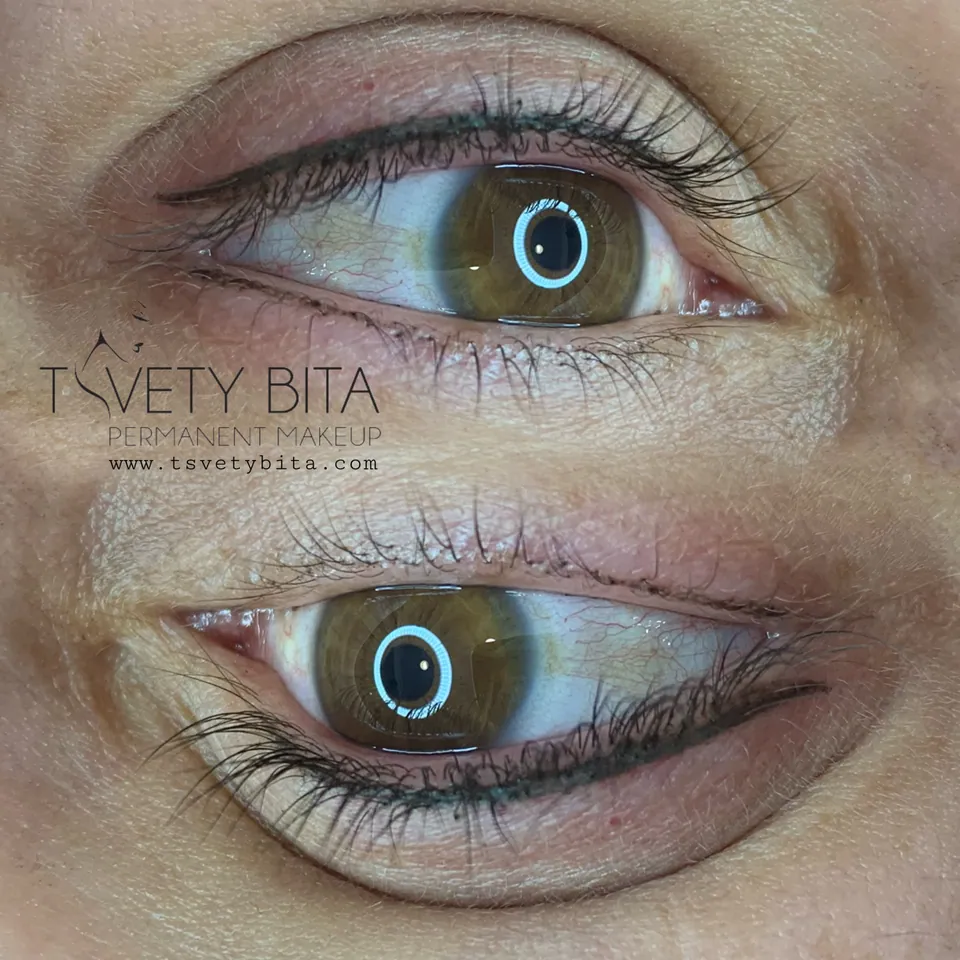
Home care is part of the treatment. It cannot completely change how your skin holds the pigment, but it can prevent unnecessary irritation, contamination and mechanical removal of the healing layer.
Follow your individual instructions
Different areas and techniques may have different cleansing and protection routines. Do not mix advice from friends, forums and old treatments. Use only the recommended products and amounts.
More product does not mean better care. Too thick a layer can trap moisture and dirt, while aggressive drying can crack the skin.
- Wash your hands before touching the area.
- Use clean materials.
- Do not add alcohol, hydrogen peroxide or home-made ointments unless instructed.
Water, exercise and heat
In the early period, prolonged wetting, swimming pools, saunas and heavy sweating can irritate the area. Brief contact with water during gentle cleansing is different from soaking.
Plan lighter workouts for the period you have been given. Sweat contains salts and can cause discomfort when rubbed in.
- No swimming or sauna until you are told it is fine.
- No facial steam baths.
- Pat dry gently – do not rub.
Flaking, itching and makeup
Fine flaking and itching can be normal. Do not pick the flakes or scratch, because this removes not only dry skin but sometimes part of the pigment too.
Do not apply makeup directly on the unhealed area. Brushes, pencils and lipsticks can introduce contamination and increase irritation.
- Let the flakes come off on their own.
- Do not cover the area with foundation or pencil.
- Clean or replace your makeup before using it again.
Sun and long-term care
Direct sun in the early period irritates healing skin. After full healing, regular sun protection helps the colour fade more slowly and reduces unwanted colour changes.
Acids, retinoids, lasers and peels should not be applied directly to the pigmented area without a professional assessment.
- Physical sun protection in the early period.
- Sunscreen after full recovery.
- Tell your beautician or doctor about your permanent makeup before any treatment.
When to seek medical help
Slight redness, tenderness and moderate swelling can be part of early healing. Severe or increasing pain, pus, fever, spreading redness, difficulty breathing or vision problems are not normal.
If you have worrying symptoms, do not wait for answers on social media. See an appropriate medical professional or call emergency services, depending on the severity.
- Increasing swelling and pain.
- Pus or an unpleasant smell.
- Fever and feeling generally unwell.
- Vision symptoms after a treatment around the eyes.
- Signs of a severe allergic reaction.
Important: If you notice signs of infection, a severe allergic reaction or a problem with your vision, seek medical help.
Frequently asked questions
Can I get the area wet?
Follow your specific protocol. Gentle cleansing may be part of aftercare, but prolonged wetting and soaking are usually avoided.
What should I do if it itches?
Do not scratch. Keep up your aftercare as instructed and contact the specialist if there is severe irritation or a rash.
When can I wear makeup?
Only when the area is fully closed and calm, according to the instructions you were given.
The most accurate recommendation is made after an individual consultation and an assessment of your skin, natural hairs, shape and desired result.
See the right treatment or book a consultation.
This article was prepared by Tsvety Bita and is for information only.
Have questions or would like a consultation?
Book now