Cold sores and permanent lip makeup – what you need to know
 Author: Tsvety Bita, permanent makeup specialist
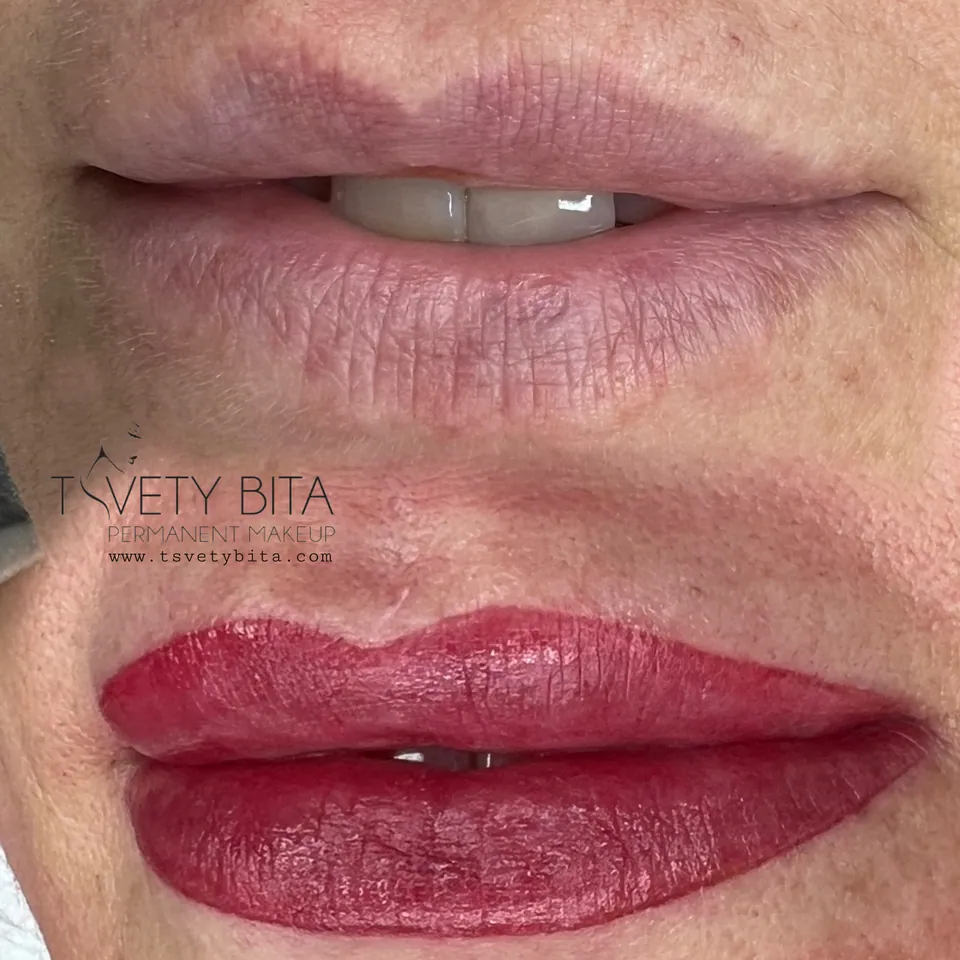
Working on the lips can trigger a recurrence of cold sores (herpes) in people who have had them before. This should be discussed in advance, even if the last episode was a long time ago.
Why a history of cold sores matters
The virus can remain dormant in the body and reactivate due to various factors, including local trauma and stress. Permanent makeup does not create the virus, but treating the lips can trigger a recurrence in people who are prone to it.
An active rash, blisters, burning or a suspected beginning of an episode mean the treatment must be postponed until full recovery and a medical assessment.
- Tell us even about a single old episode.
- Do not cover active symptoms with makeup.
- Do not start treatment based on advice from the internet.
Consult a doctor before the treatment
Only a doctor can decide whether preventive treatment is needed, which medicine is suitable and which regimen to use. A permanent makeup specialist must not prescribe medicines or change medical treatment.
Tell your doctor the planned date of the treatment and about your previous reactions. If you have frequent or severe episodes, the assessment is especially important.
- Do not take someone else's medicines.
- Do not change the dose or duration without a doctor.
- Follow both the medical instructions and the aftercare instructions for the area.
When the treatment must be postponed
Besides an active cold sore, the treatment is postponed if the lips are sore, severely cracked, inflamed, unexplainedly swollen or there is an infection around the mouth. The skin must be calm and healthy.
If you are ill, have a fever or feel generally unwell, it is wiser to choose a new date. The treatment is not urgent, and safe recovery matters more.
- Active blisters or scabs.
- Burning and tingling typical of previous episodes.
- Open sores or inflammation.
- Feeling generally unwell.
What to watch for after the treatment
Slight swelling and sensitivity can be expected, but clustered blisters, increasing burning or symptoms you recognise from before require prompt contact with a doctor.
Do not scratch or pop blisters. Keep good hygiene and do not share products, cups or cutlery while there are active lesions.
- Watch for symptoms that differ from normal healing.
- Seek medical help in good time.
- Do not apply non-prescribed products to the freshly pigmented area.
Important: This article is not medical advice. If you have a history of cold sores or active symptoms, see a doctor before the treatment.
Frequently asked questions
Can I have the treatment if I had a cold sore years ago?
It is possible, but your history should be discussed with a doctor, who will decide whether preventive treatment is needed.
Can the specialist recommend a medicine?
Information can be given, but a specific medicine and regimen must be prescribed by a doctor.
How can I tell a cold sore from normal healing?
Typical clustered blisters, burning and symptoms you know from previous episodes are a reason for a medical assessment.
The most accurate recommendation is made after an individual consultation and an assessment of your skin, natural hairs, shape and desired result.
See the right treatment or book a consultation.
This article was prepared by Tsvety Bita and is for information only.
Have questions or would like a consultation?
Book now