When is a permanent makeup touch-up needed?
 Author: Tsvety Bita, permanent makeup specialist
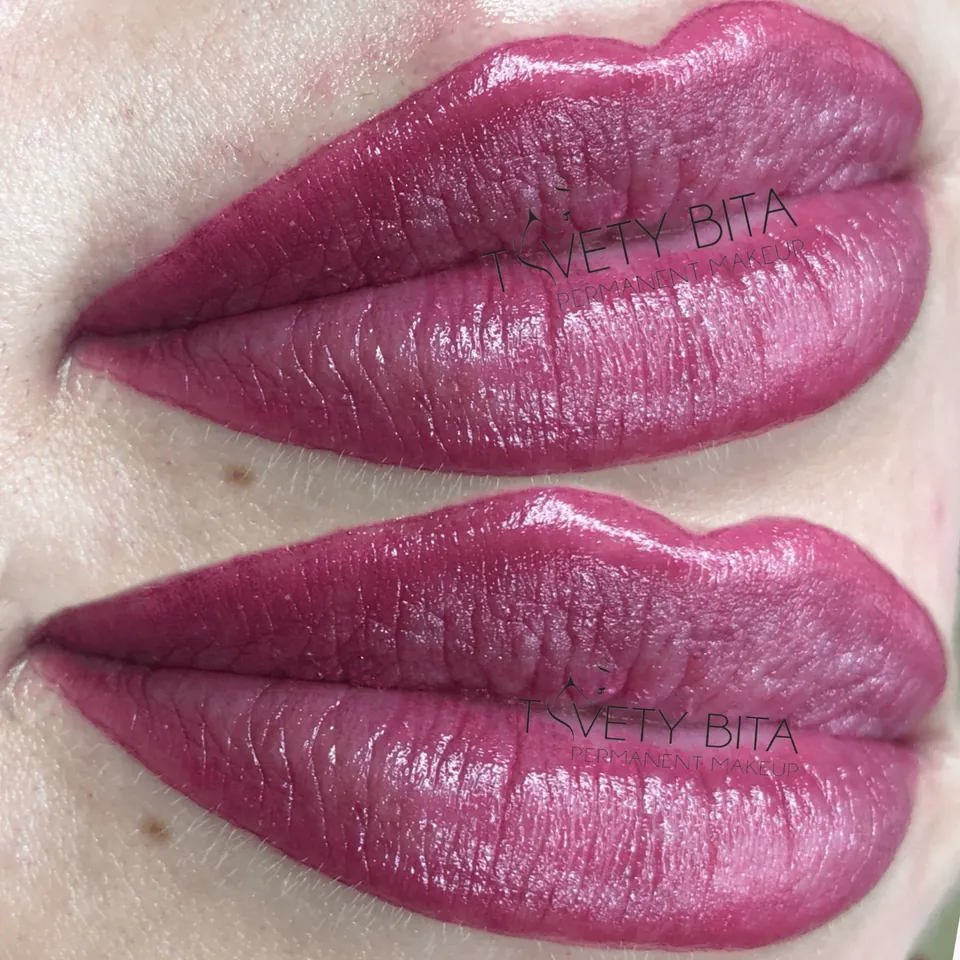
The touch-up is a check-up stage after the first pigmentation, but it should not be planned too early or treated as a mandatory repeat of the whole treatment. It is based on the actual healed result.
Why some of the pigment may fade
Skin is not paper and does not hold pigment perfectly evenly. Oiliness, micro-texture, scars, circulation, the immune response and aftercare all affect the result.
During healing, some pigment naturally comes away with the surface cells. This does not mean the treatment has failed. What matters is the final look once the skin has settled.
- Slightly lighter areas are possible.
- The colour may change in the first weeks.
- Uneven flaking affects the temporary look.
The difference between the first touch-up and periodic maintenance
The first touch-up is done after the initial treatment to assess retention and, if needed, fill in specific areas. Periodic maintenance is a refresh months or years later, when the colour has visibly faded.
These two visits have different purposes. The first touch-up completes the initial result, while maintenance can adapt the shape, shade and technique to changes over time.
- First touch-up – after full healing.
- Maintenance – when the result has actually faded.
- Correction – for an unwanted shape or old colour; requires a separate assessment.
How the right moment is determined
The skin must be completely calm. If there is still flaking, sensitivity or redness, it is too early for an objective assessment. The specific timing depends on the area and individual recovery.
Re-pigmenting too early can traumatise skin that has not finished healing. Maintenance that is too frequent can also build up more pigment than necessary.
- Follow the time frame given by the specialist.
- Send clear photos in daylight if a preliminary assessment is being made.
- Do not cover the area with pencil before the check-up.
What is corrected during the touch-up
The touch-up may involve lightly filling in lighter spots, balancing the intensity or a minimal correction of a detail. Automatically darkening the whole area is not desirable.
Before starting, we discuss again how the colour has changed and whether the shape feels comfortable in everyday life.
- Local gaps.
- A need for a little more density.
- Fine balancing of the colour.
- Correction only within what is safe and possible.
Frequently asked questions
Is the touch-up mandatory?
Not every result needs the same intervention. The decision is made after assessing the healed area.
Can I completely change the shape at the touch-up?
Small corrections are possible, but a big change depends on the pigment already there. Areas that are already pigmented cannot simply be moved.
Why not darken everything again?
Because unnecessary layering can make the result heavy and complicate future fading and corrections.
The most accurate recommendation is made after an individual consultation and an assessment of your skin, natural hairs, shape and desired result.
See the right treatment or book a consultation.
This article was prepared by Tsvety Bita and is for information only.
Have questions or would like a consultation?
Book now